
What are the Franciscan vows? Poverty, chastity and obedience explained
When you meet a friar, his distinctive habit and the simple cord with three knots around his waist can spark curiosity about the meaning of his three vows.
These commitments are often mistakenly viewed as limitations on one’s personal freedoms. Yet for Franciscans, vows are far from repressive. They represent an ongoing, intentional embrace of the Gospel – a freely chosen commitment renewed day after day.
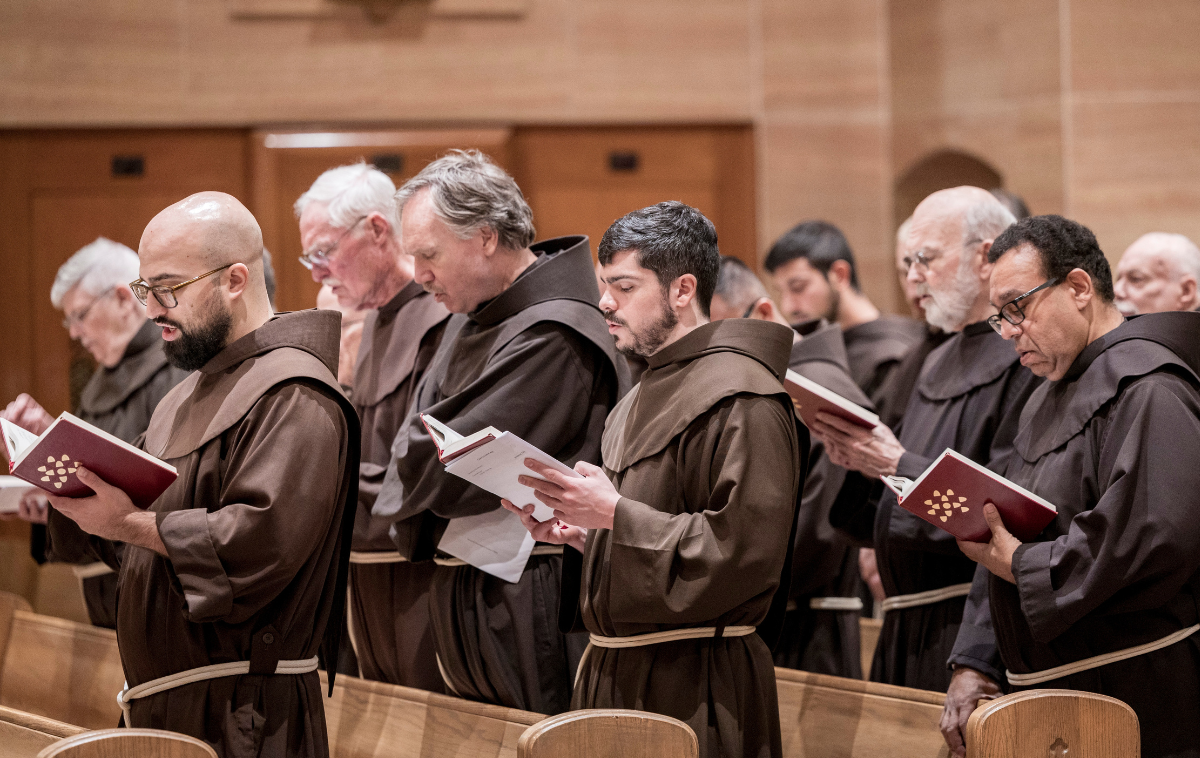
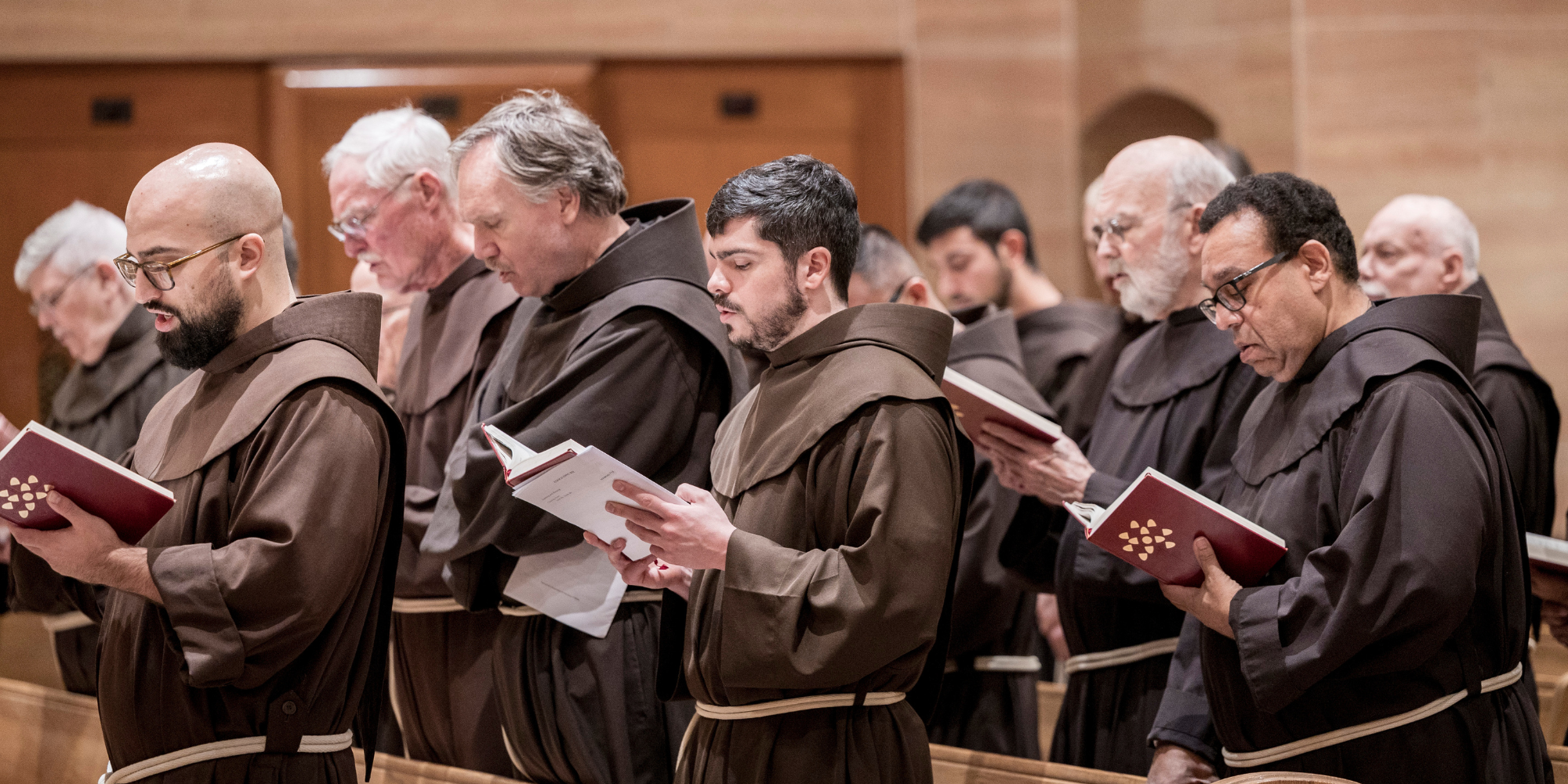
For Franciscan friars, the annual renewal of vows encourages thoughtful reflection and intentional commitment. (Photo by Br. Octavio Duran, OFM)
What are religious vows, really?
For the friars, religious vows explain how to live in the world, not withdraw from it.
Friars usually take their vows in a church during a public liturgy, not in private. The vows are public acts of faith that shape a friar’s daily priorities based on the Gospel, not his personal preference.
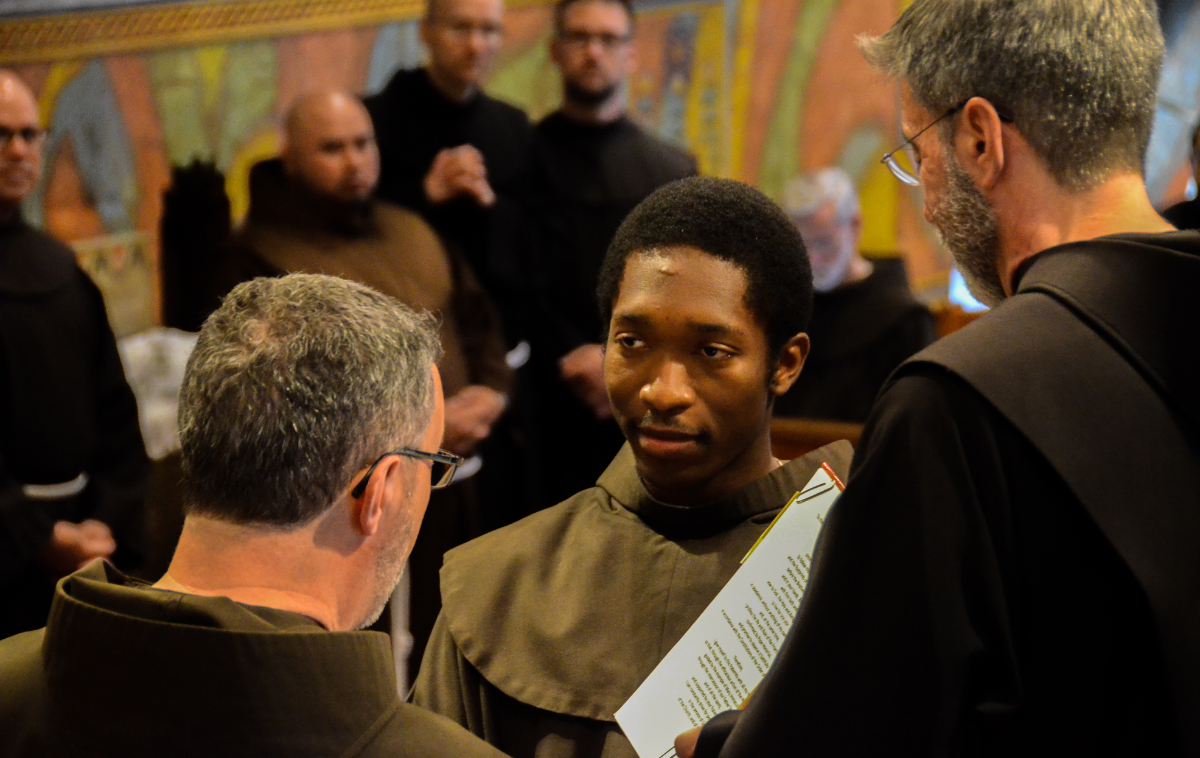
Br. Raphael Ozoude, OFM, taking his first vows at the Interprovincial Novitiate in Santa Barbara, California, in 2019. First vows signify a meaningful step in a friar’s formation, helping both the man and the community discern how God may be guiding him towards a fuller commitment to living out the Gospel. (Photo by Br. Octavio Duran, OFM)
When do Franciscans take vows?
Before making solemn profession, friars spend years discerning their vocation and completing initial formation.
Initial formation begins with at least one year of postulancy. Postulants live alongside friars and witness the traditions of Franciscan prayer, fraternal life and service. This helps both the individual and the community see how God might be guiding a postulant (someone seeking to enter religious life) to embrace the Gospel fully.
After postulancy comes the novitiate year, where men enter more deeply into a personal and prayerful discernment process that helps them to uncover their strengths and opportunities for growth.
At the end of the novitiate year, a friar makes his first profession of simple vows – temporary commitments – of poverty, chastity and obedience for one year, which he renews yearly as he continues his formation, or training. To symbolize that he has taken vows, he receives a cord with three knots representing the vows of poverty, chastity and obedience.
For the next several years, he will renew his vows annually until he is ready to make his solemn profession, also called final vows. Solemn profession marks the beginning of a friar’s lifelong membership in the Order of Friars Minor.
This approach mirrors a central Franciscan conviction: vows are not a single choice made in solitude, but a relationship freely chosen, tested and deepened over time.
Why vows are renewed year after year
Renewing temporary vows in Franciscan life reveals how commitment deepens over time. Yearly renewals enable friars to reaffirm their commitment to poverty, chastity and obedience as an intentional and voluntary choice. This process provides space for reflection, responsibility and ongoing discernment, ensuring that keeping these commitments is deliberate, rather than by habit or obligation.
It is also tradition for solemnly professed friars and other members of the Franciscan family to renew their vows each year on April 16 – the day that St. Francis made his profession into the hands of Pope Innocent III. As they renew their vows, Franciscans remember St. Francis's devotion to following the Holy Gospel and they recommit themselves anew to following Christ through his example.
.png?sfvrsn=22f9aa53_1)
During the Litany of the Saints at a solemn profession, friars lay prostrate as part of the ceremony. Their vow of poverty does not mean a rejection of the world but rather demonstrates a commitment to solidarity with individuals whose lives are characterized by vulnerability or need. (Province file photo)
The vow of poverty
The Franciscan vow of poverty is frequently seen yet often misunderstood.
Franciscan poverty is not homelessness or impoverishment, but a commitment to simplicity and dependence within fraternity. Friars own nothing individually, instead sharing goods and depending on the community and divine providence for their needs.
This culture allows friars to prioritize relationships over possessions. Franciscan poverty is not a renunciation of the world, but a way of standing closer to those whose lives are marked by frailty or need.
The vow of chastity
The Franciscan vow of chastity is often mistaken for rejecting love or relationships.
In Franciscan life, chastity is a commitment to celibate love, guiding friars to serve God, each other and the wider community. It encourages them to form inclusive relationships as brothers and companions, instead of exclusive bonds to a partner.
Chastity in a fraternal setting promotes availability, attentiveness and discipline, enabling friars to help others without conflicting commitments. Their relationships are based on shared life, prayer and mission rather than possession or obligation.
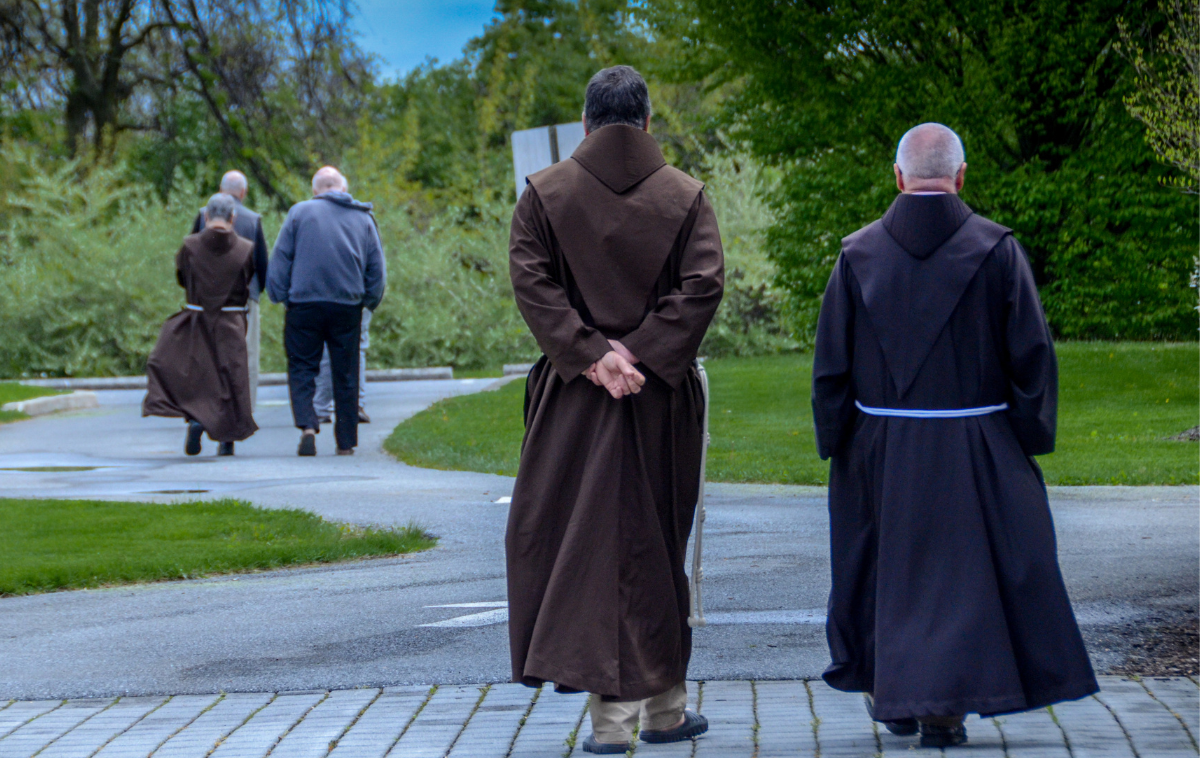
Friars collectively make decisions under the guidance of their leaders. (Photo by Br. Frank Jasper, OFM)
The vow of obedience
The Franciscan vow of obedience is often interpreted as deference to authority.
Franciscan friars practice obedience by seeking God’s will through prayer, Scripture, fraternity and responding to the world’s needs. They make decisions together, guided by leaders, rather than depending on personal preference.
Listening together nurtures humility, trust and collaboration. Friars who loosen their grip on constant self-direction remain open to assignments, allowing the Gospel – not personal ambition – to steer their lives and work.
Br. Phillip McCarter, OFM, leads a memorial at the Douglas, Ariz., border to remember migrants who have lost their lives in the desert. By letting go of reliance on possessions, exclusivity and personal ambition, friars can live with greater purpose and be more available in service to others. (Photo courtesy of Br. Phillip)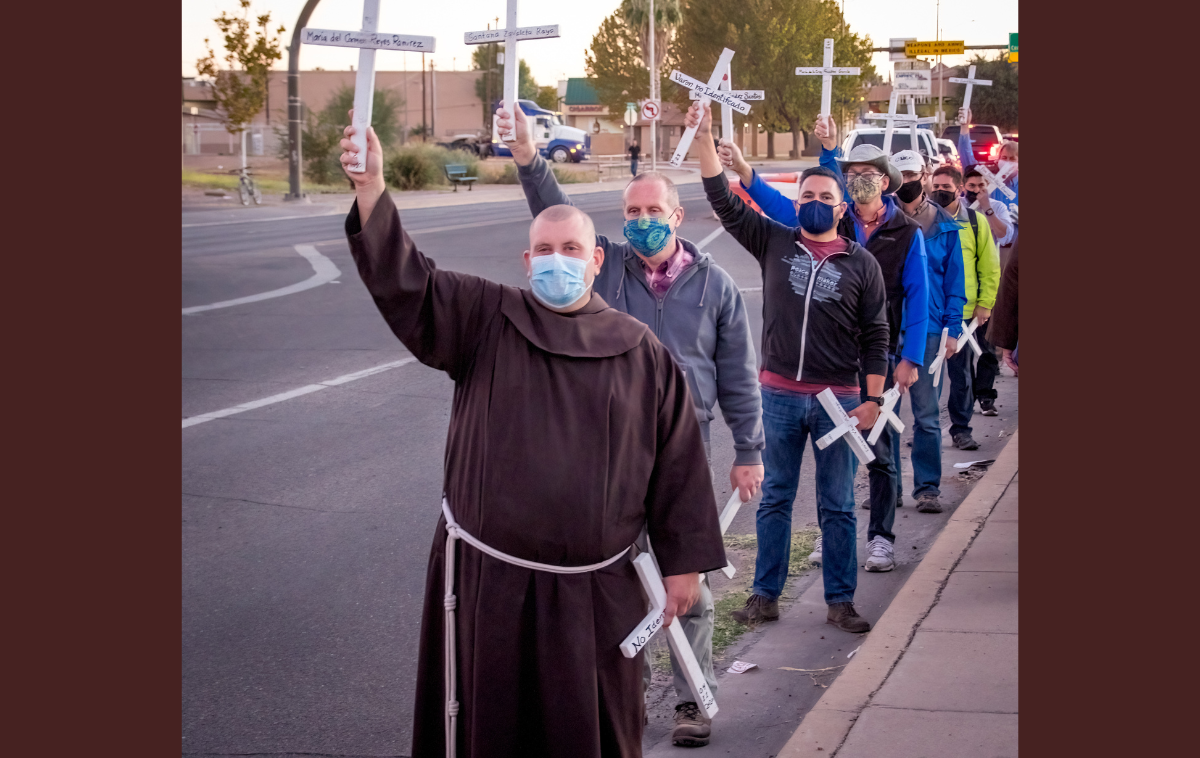
Are vows restrictive – or liberating?
Vows might appear to impose constraints by reducing options, restricting autonomy or narrowing opportunities.
In Franciscan life, poverty, chastity and obedience are considered routes to freedom. These vows simplify living, emphasize priorities and foster deeper connections with God, others and the world.
By loosening attachment to property, exclusivity and self-direction, friars can live more intentionally and be more available. Although not everyone is called to this way of life, understanding the vows invites reflection on what it means to live with intention, relationship and freedom formed through commitment and time.