
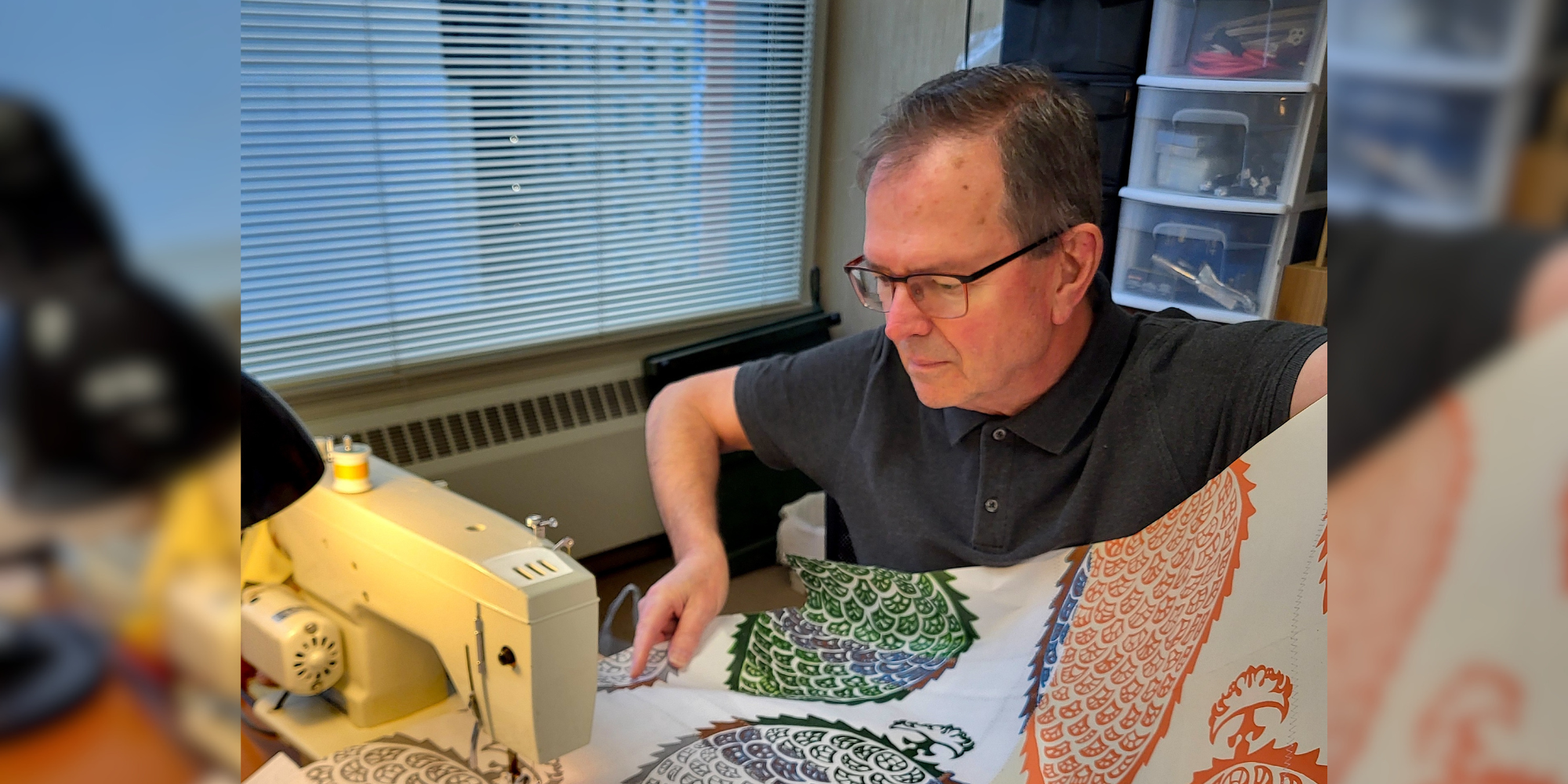
How one friar turns Chicago’s trash into art
In Chicago, single-use plastic bags pile up, and aluminum cans lay flattened on the curb. For Br. Jerry Bleem, OFM, these items aren’t trash — they’re raw material for his art.
Like many Franciscans before him, Br. Jerry finds value in that which society discards; the things we throw away become a meditation on faith and creation in his hands. His art materials come not from a craft store, but donations of unwanted goods or trash he finds on the sidewalks of Chicago, where he has lived and worked for decades as a Franciscan priest, artist and educator.
Some might say Br. Jerry was born to notice and give meaning to what others overlook. As a child on a farm in southern Illinois who desired to become a priest, he created altars out of scrap materials.
As a young friar, Br. Jerry arranged worship spaces and created liturgical garments while serving as a chaplain at a high school and in a parish. An injury prompted him to contemplate where God was calling him and he decided to pursue a Master of Fine Arts.
Today Br. Jerry is a professor, adjunct of Fiber and Material Studies at the School of the Art Institute of Chicago, the nation’s largest contemporary fiber program, where he has taught since 2000. He has been recognized with multiple fellowships and residencies, and his work has been exhibited widely in the United States and internationally.
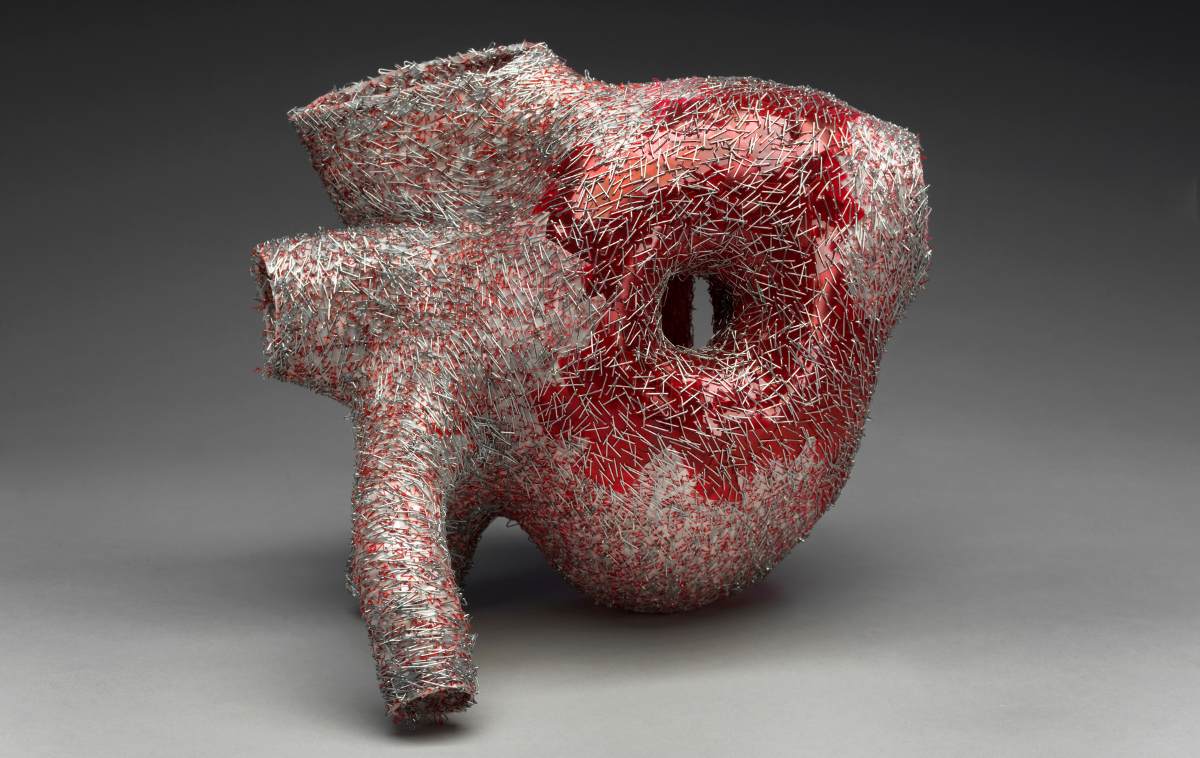
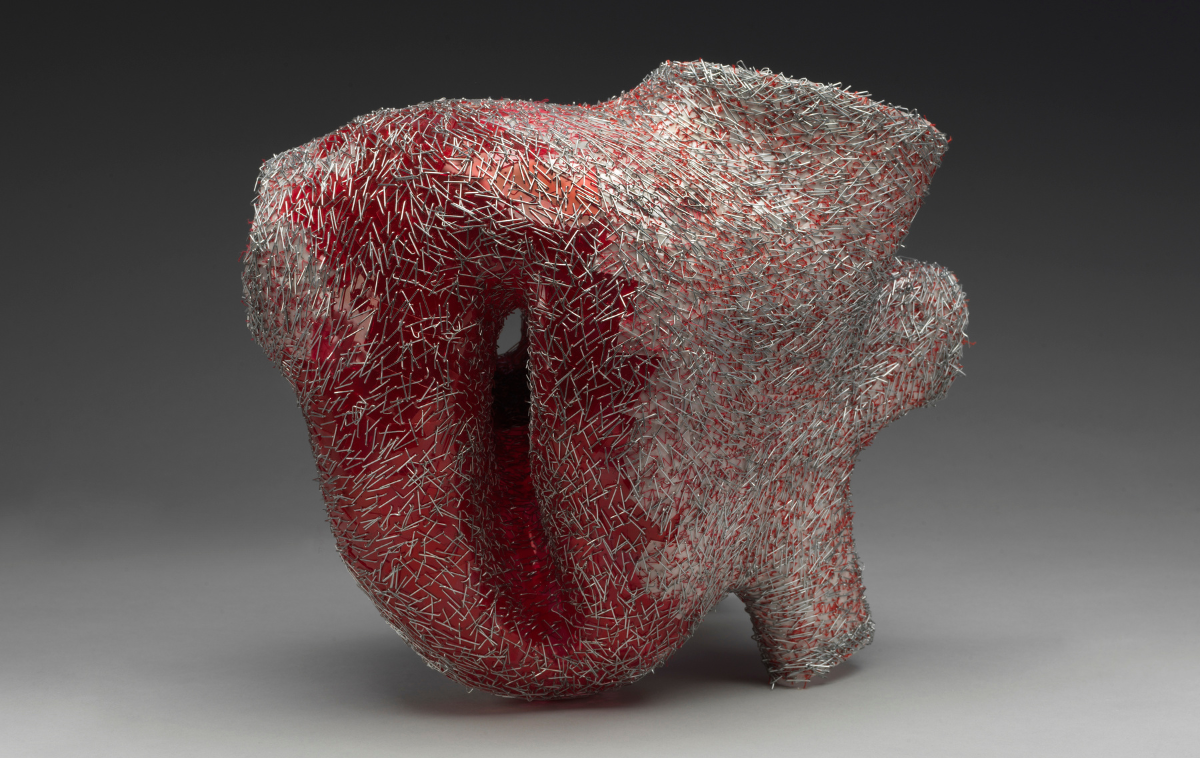
Making all things (even trash) new
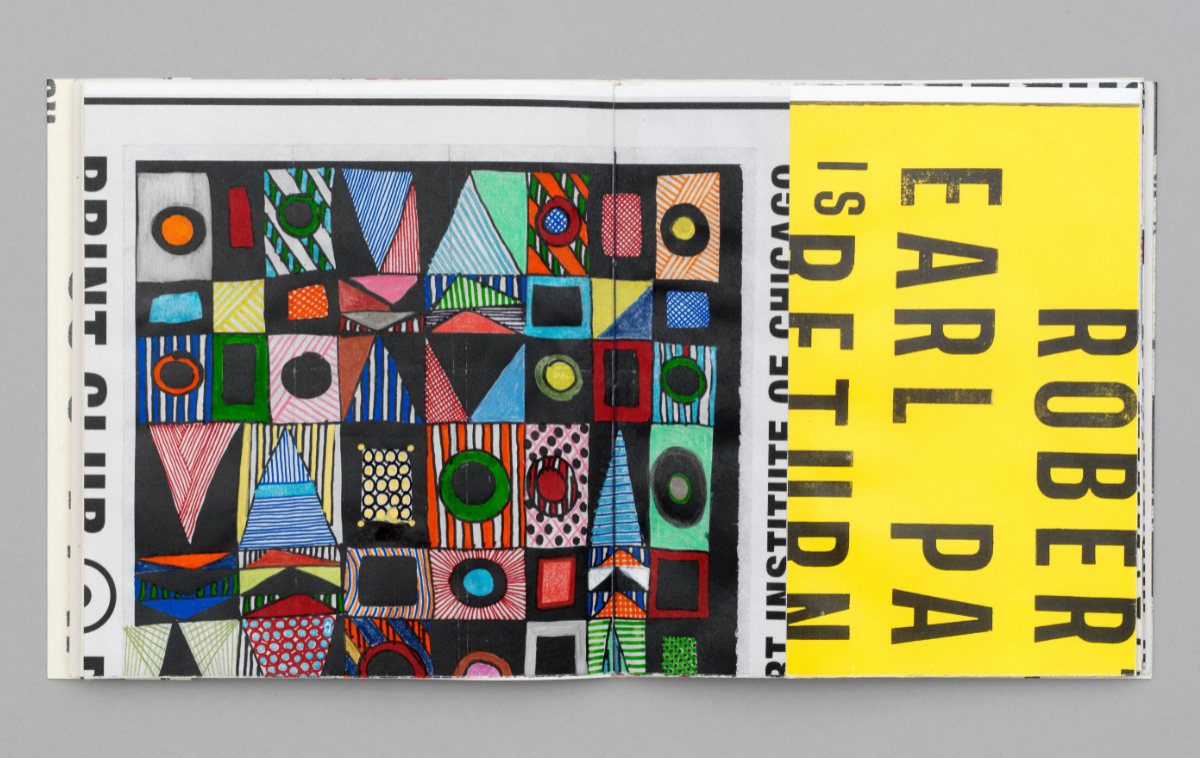
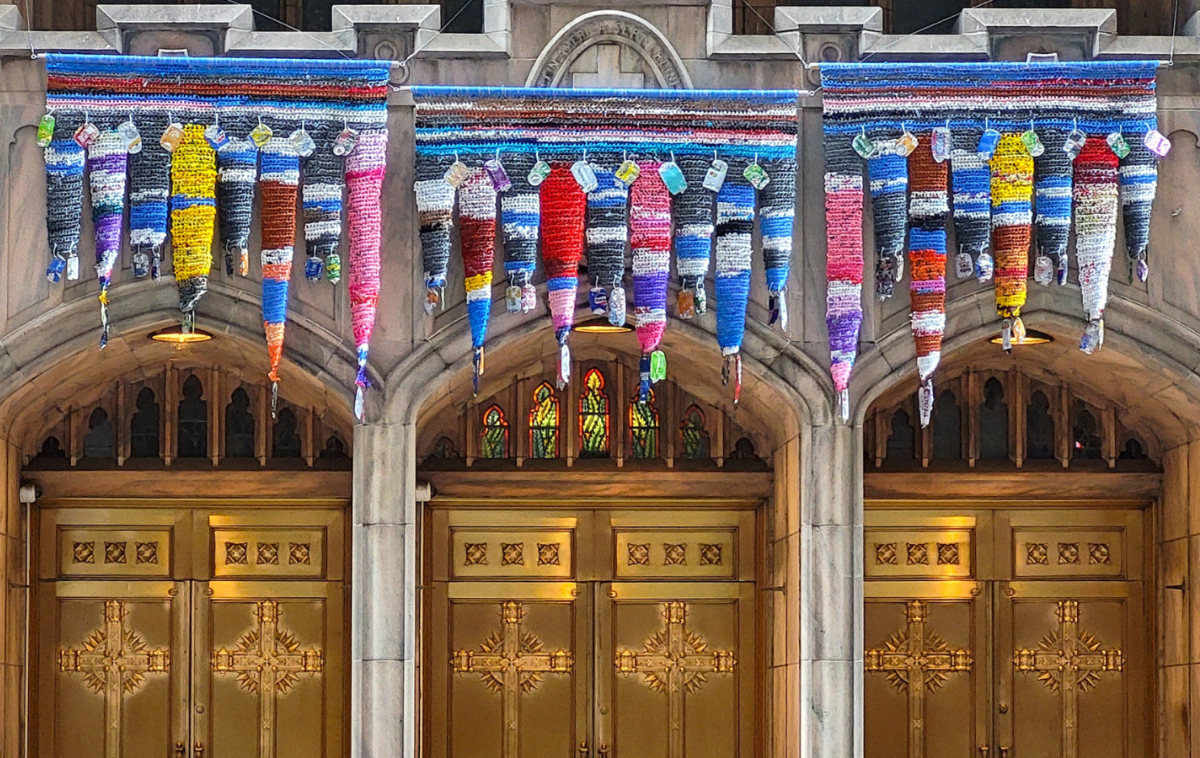
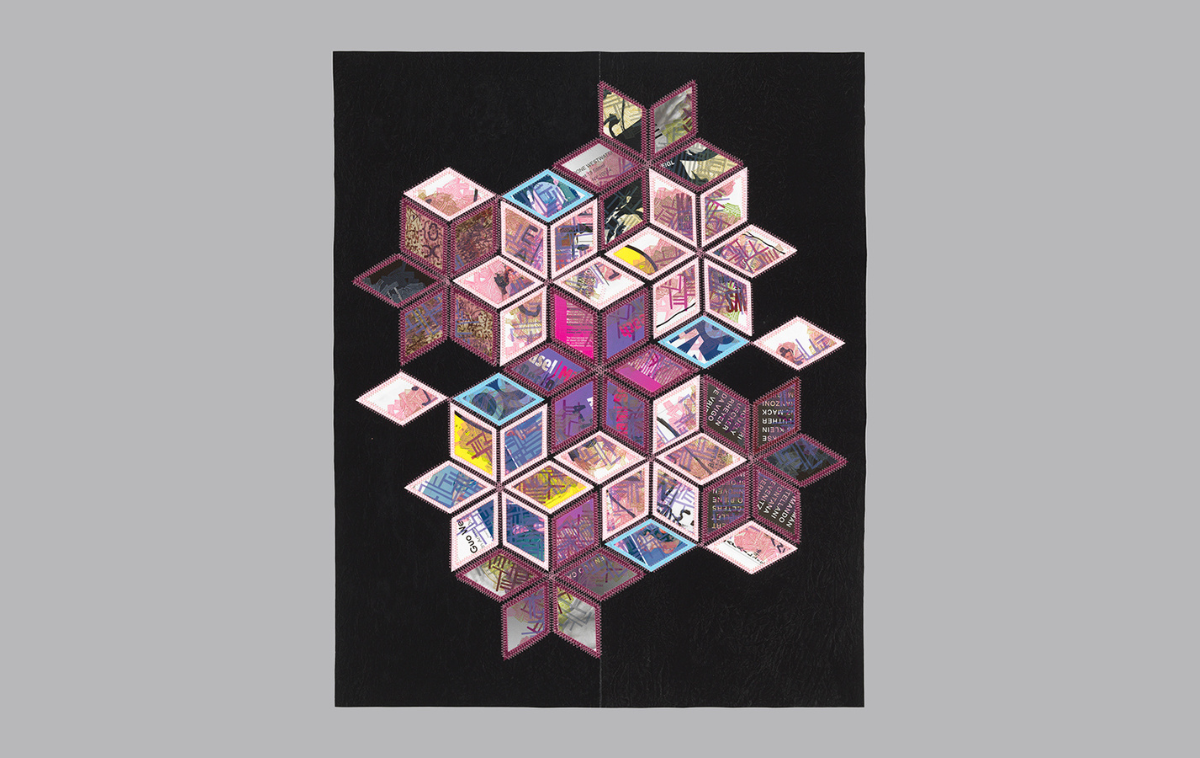
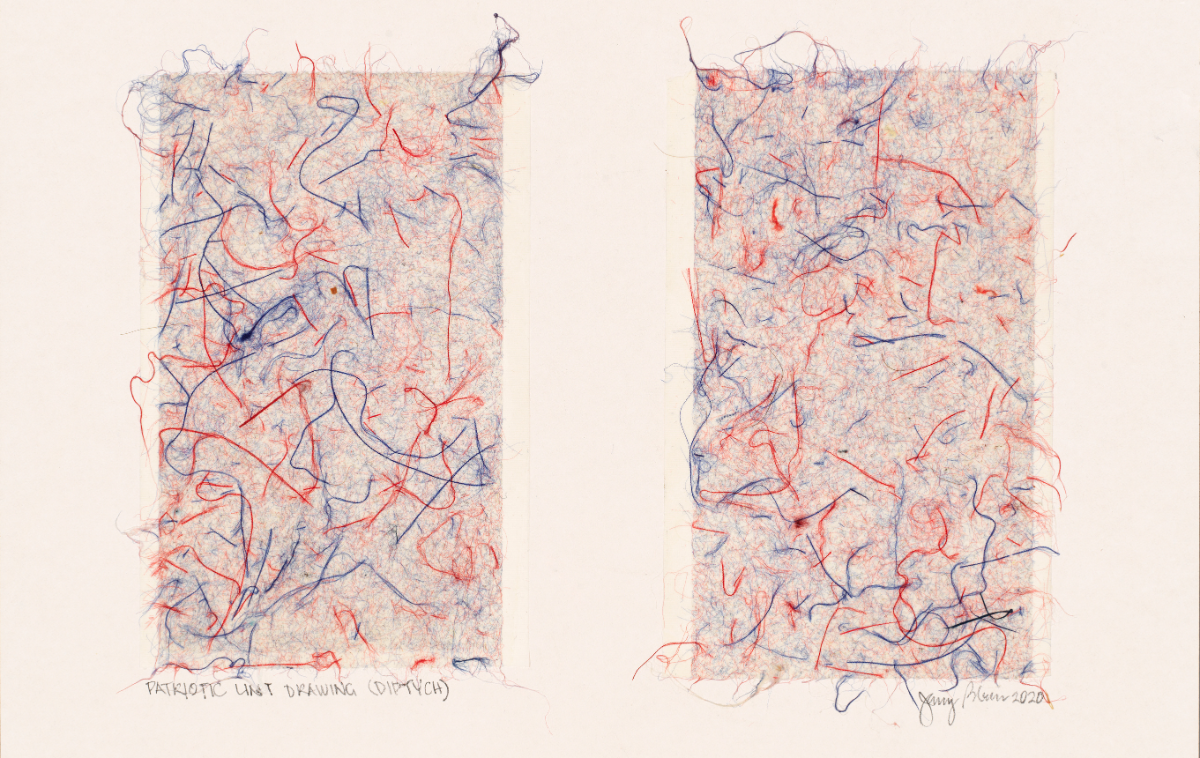
Plastic bags, flattened aluminum cans, lint, scraps of yarn, bits of paper – all find a home in Br. Jerry’s studio. There they are transformed from trash to treasure through slow, meditative processes: stapling, sewing, weaving, crocheting, binding.
The materials that he uses “are very familiar things – things that we throw away, things that we overlook,” says Br. Jerry. “Part of what art does is take the familiar and make it unfamiliar. In other words, make it new.”
By devoting time, care and attention to things that have been thrown away, Br. Jerry gives discarded objects value and meaning. As he creates his art using these everyday objects, he draws on the Franciscan spiritual practice of contemplation: a practice of finding God in the ordinary, with a focus on the incarnation.
“Contemplation and listening is something that I do as a Catholic, as a Franciscan and as an artist,” Br. Jerry explains. “I find my connection to God through the discarded parts of our world.”
So too did St. Francis of Assisi, who devoted himself to the people and things discarded by his society: the lepers, the poor and creation. Encountering the overlooked and forgotten revealed to St. Francis invisible truths about human dignity and the immensity of God’s love for us.
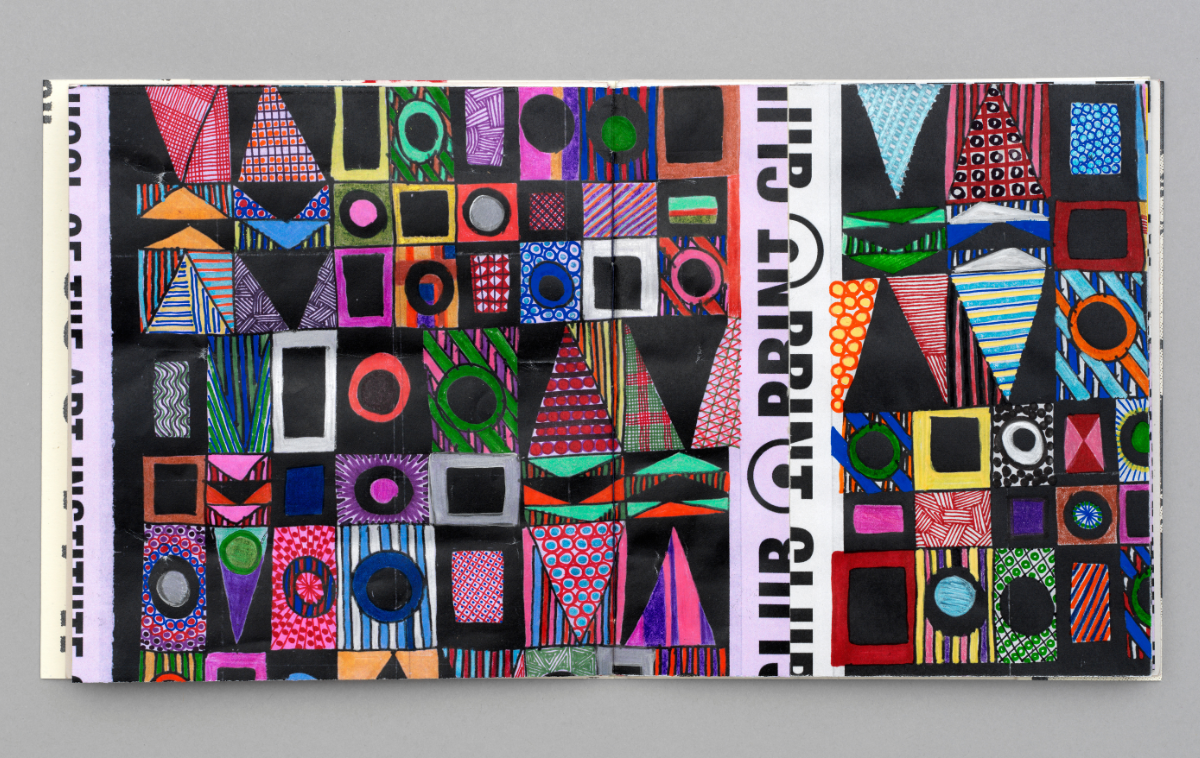
Finding God in the forgotten
Br. Jerry’s work with discarded materials draws on this incarnational practice. In caring for unwanted items, Br. Jerry echoes St. Francis’s belief that nothing God makes is meaningless, and that God can be encountered in both the beautiful and the damaged.
In a society shaped by convenience and excess, Br. Jerry’s work invites us to ask: Where do things go after we throw them way? What does our trash say about our habits, priorities and values? Can we find new meaning in the things we discard?
His art also invites viewers to reflect on what the late Pope Francis referred to as “integral ecology” – an understanding that everything in our world is intimately connected. What does our relationship with our trash say about our relationship with the rest of creation?
“Developing an awareness that everything is tied together is related to the Franciscans’ theological understanding of incarnation,” Br. Jerry said. “The visible can always point to the invisible.”
Deepening faith through art
In addition to his work with visual arts, Br. Jerry is also a writer. His monthly column with U.S. Catholic magazine explores the intersection of art and faith. He continues to exhibit his work as time allows; recently, his work was featured in a group show at Contemporary Craft in Pittsburgh and at a show at the Zhou B Art Center in Chicago. Several of his pieces were on display during the School of the Art Institute of Chicago’s “Faculty Sabbatical Triennial 2025.”
Throughout his decades as an educator as well as stints as vocation director and formation director accompanying men discerning and preparing for Franciscan life, he has encouraged others to explore a creative practice. A hobby, he says, can be transformative for a person of faith.
“This connection between art and belief has nourished my life,” he said. “I think an art practice of any sort can help believers connect in a very different way to their experience of God in the world and with others.”
After all, he says, art is something that is meant to be shared – and so is faith.