Feel gratitude like Francis
May you announce and preach His praise to all nations in such a way that praise and thanks may always be given to the all-powerful God by all people throughout the world at every hour and whenever bells are rung. Letter to the Custodians 1220
Let us refer all good
to the Lord, God Almighty and Most High,
acknowledge that every good is His,
and thank Him,
“from Whom all good comes,
for everything. The Earlier Rule 1221
Praise and bless my Lord and give Him thanks
and serve Him with great humility. Canticle of the Creatures 1225
When all those who knew him saw him, they compared his latest circumstances with his former and they began to reproach him harshly. Shouting that he was insane and out of his mind, they threw mud from the streets and stones at him. They saw him as changed from his earlier ways and weakened by starving his body. They blamed everything he did on starvation and madness. But since the patient person is better than the proud, God's servant showed himself deaf to all of them, and neither broken nor changed by any wrong to himself he gave thanks to God for all of them. First Life of Saint Francis of Assisi by Thomas of Celano, Chapter 5
The word “thanks” occurs 53 times in the early writings of St. Francis of Assisi. Like poverty and the other vows that came to define Franciscan life, thankfulness expressed as gratitude for all things became a principal way of perceiving the world. We might even understand part of Francis’ conversion experience as an awakening to what it means to live with gratitude and, even further, graciousness as human beings in the world. His conversion exposed him to profound vulnerability, which in turn opened his horizons to what God has provided in creation for the building up of a world where everything fits in one way or another. Without the distractions and anxieties of the constructs of society and culture, Francis became free to realize and explore the wonder of the Most High, too often veiled by fear and doubt.
Gratitude and graciousness are also important signposts in our sacramental experience, pointing both to God’s great desire to share Godself with us and to the most profound response we as human beings can provide – thankfulness. Francis, in leaving behind the fears and apprehensions that troubled him, allowed himself a deeper experience of his own humanity as blessed by a loving God. Even though he calls himself a sinner time and again, this designation never prohibits him from realizing what God has done, and continues to do, in his life. Despair over his brokenness is never a choice; rather, gratitude asserts itself again and again.
In this month of November, a season of thanksgiving, Francis’ attitude and perspective invite us to consider just what we are thankful for and how we might cultivate a life open to wonder, a life that we cannot help but respond to with gratitude. Such a perspective is all too often forgotten and neglected as we navigate the many complexities of our lives. Yet Francis helps remind us, as God has told us from the beginning, that “Everything is yours, but do not forget: it is all gift!” We are called and challenged to embrace this truth always and to live in the freedom and joy it promises.
Reflection questions
How often do you pause to reflect on all that you are thankful for in your life?
How often do you find yourself believing that life’s disappointments are greater than its blessings? Why do you think we sometimes focus on life in this way?
Where might you find joy in your daily life that you have not considered before? What do you need to remember about who you are and to whom you belong that might reignite a response of thankfulness in your heart?
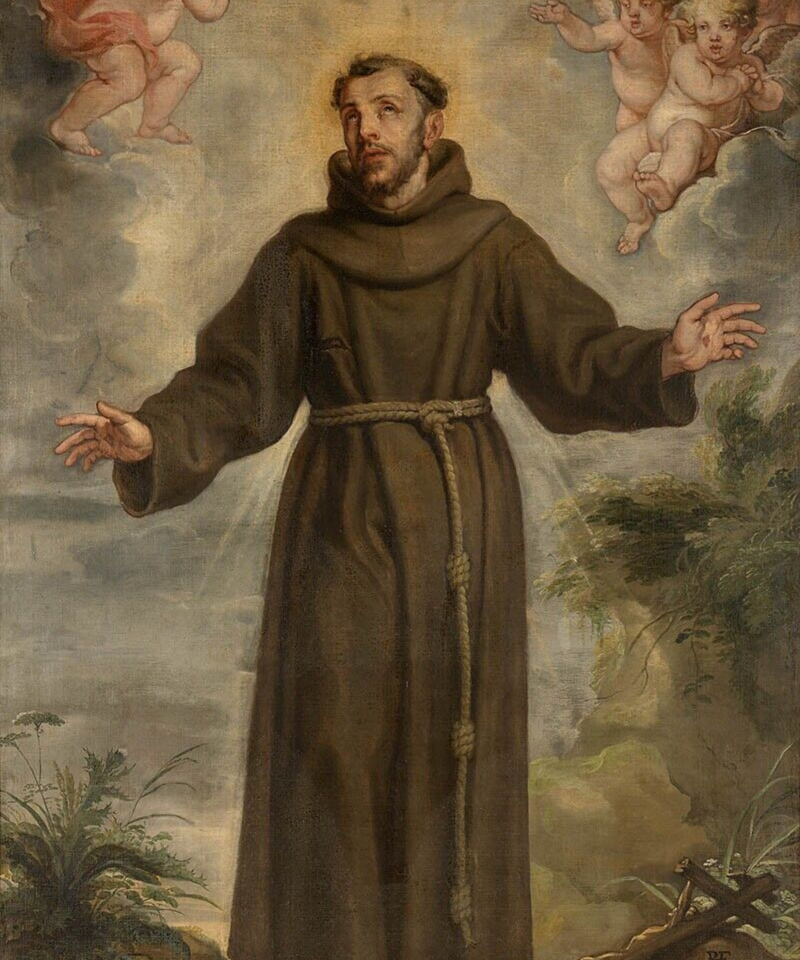
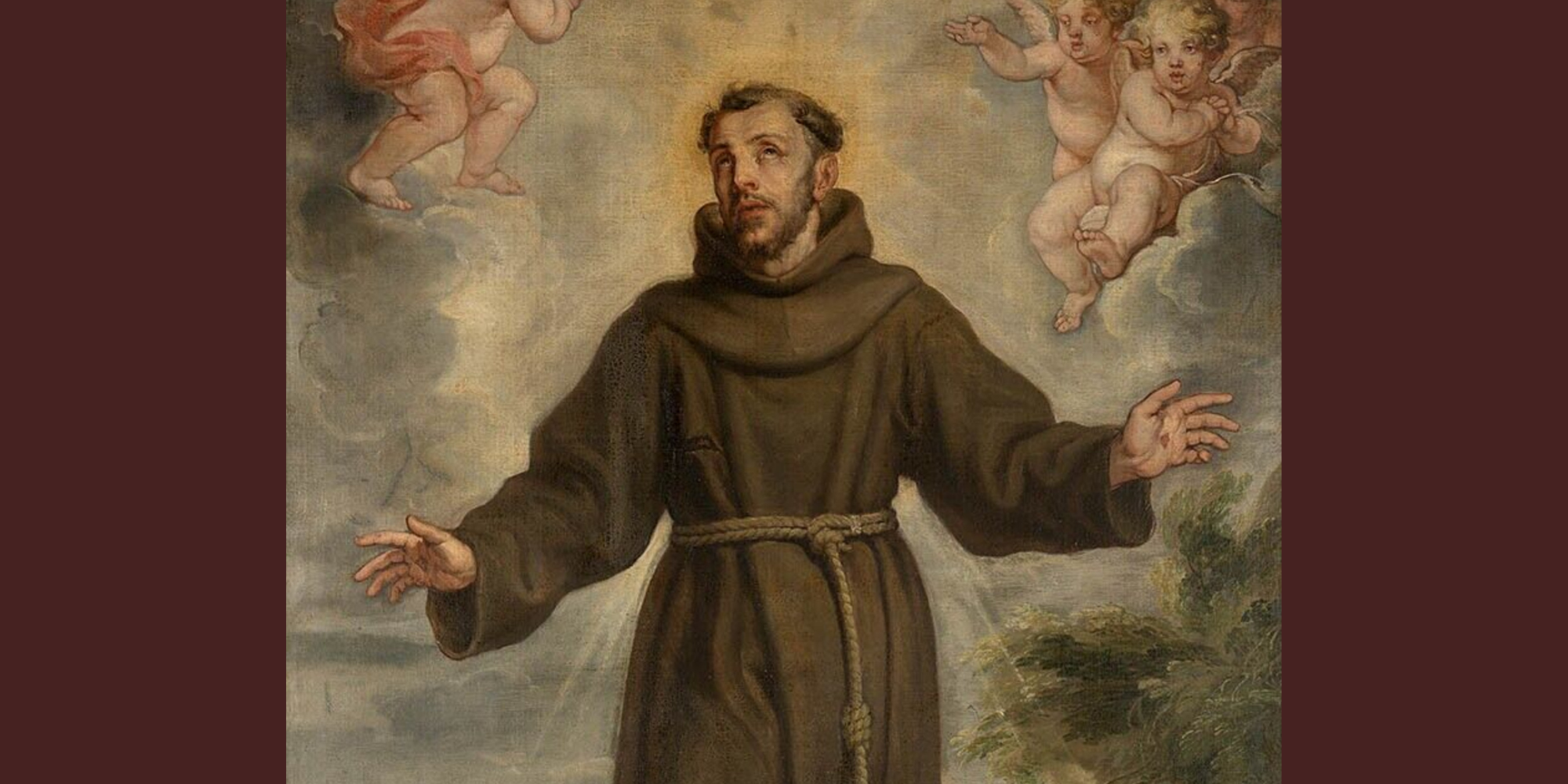
Image: Saint Francis of Assisi, Philip Fruytiers, 17th century. Public domain, via Wikimedia Commons.